
Rotten Kid
A chamber opera
Composer: Erchao Gu
Librettist: Clare Best
Rotten Kid, whose father left when he was very young, lives with Mother in a provincial town. He’s fallen into bad habits and is a regular at the town’s gambling den. When he stakes – and loses – not only the last of his money, but Mother’s horse and her house, it’s time for radical action. Rotten Kid sets himself up as a Marriage Broker, determined to rescue the household from bankruptcy by finding a wealthy suitor for Mother. But an unexpected figure turns up, and events take a new direction…
Quotes from reviews:
‘The work is based on a comic Chinese folk-tale to which librettist Clare Best has given a more cross-cultural feel (the sale of the family’s horse invokes from Mother a comment about how will she get to Waitrose!) which is matched by Erchao Gu’s music. Gu is of Chinese heritage – her biography describes her being a local of Wuxi (a city in Eastern China, 85 miles North-West of Shanghai), Singapore and London – yet her music has a recognisably Western classical trained cast but hints of other cultures in the way she treats the sound and the instruments. This is her first opera.
Best, who is a poet and writer, wrote her first libretto for The Apothecary by Amy Crankshaw which premiered last month at the Guildhall School, see my review. And in an evening of firsts, Nazli Tabatabai-Khatambakhsh, who is an experienced director and practitioner in the theatre, was directing her first opera.
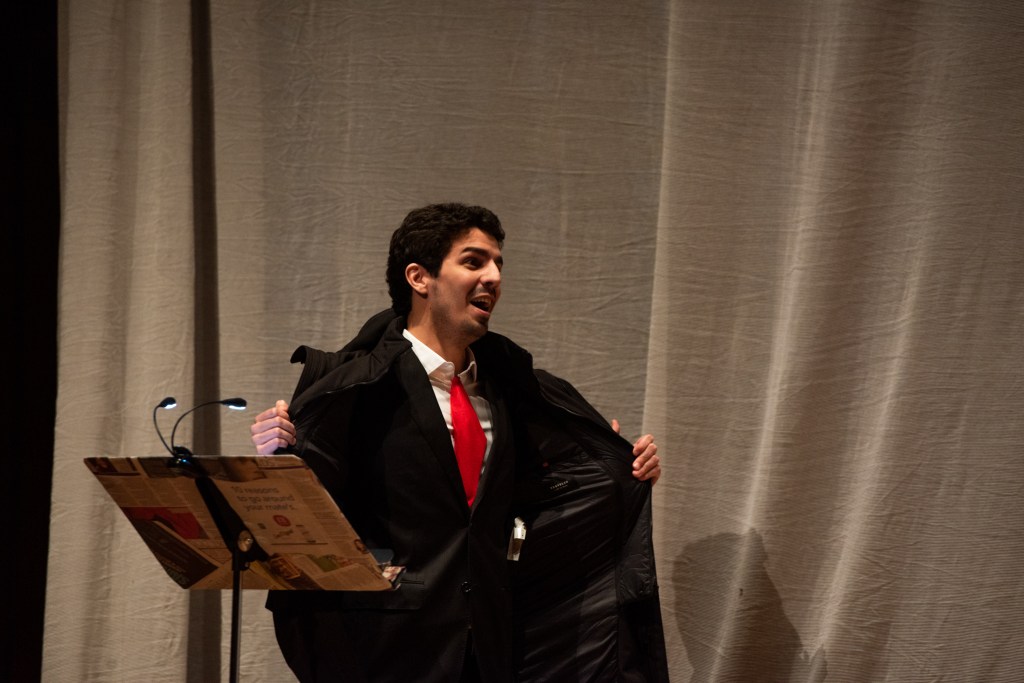
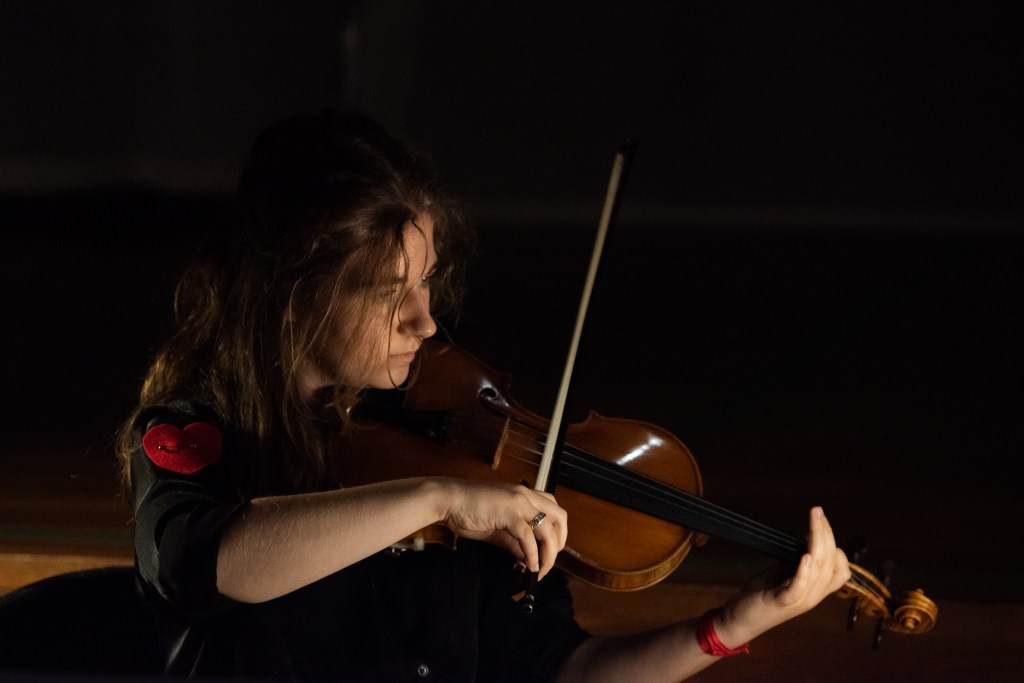
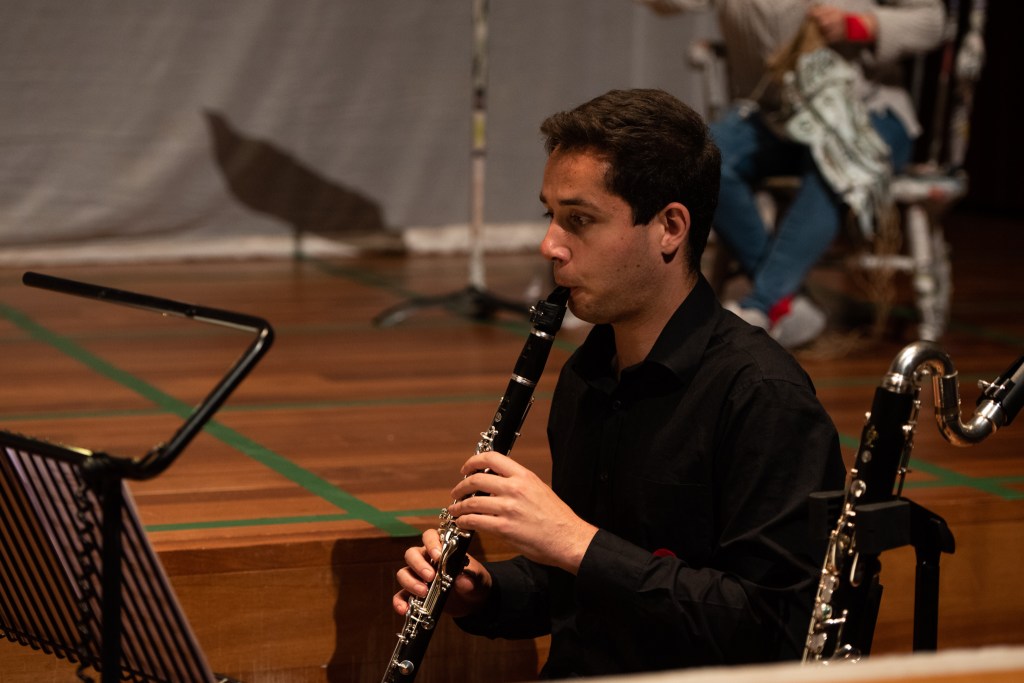
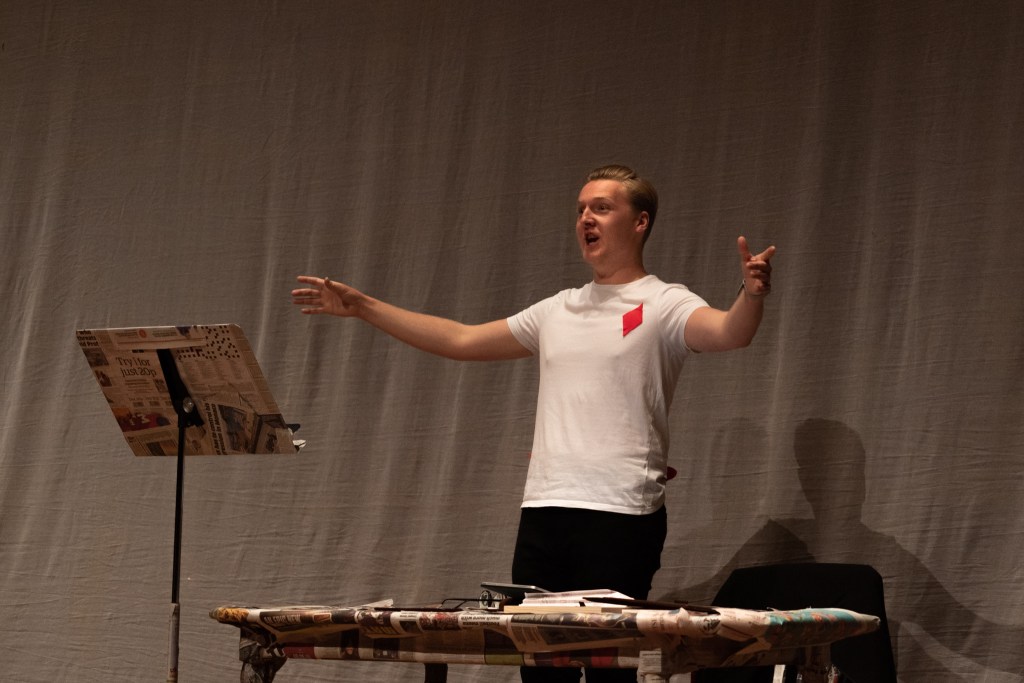
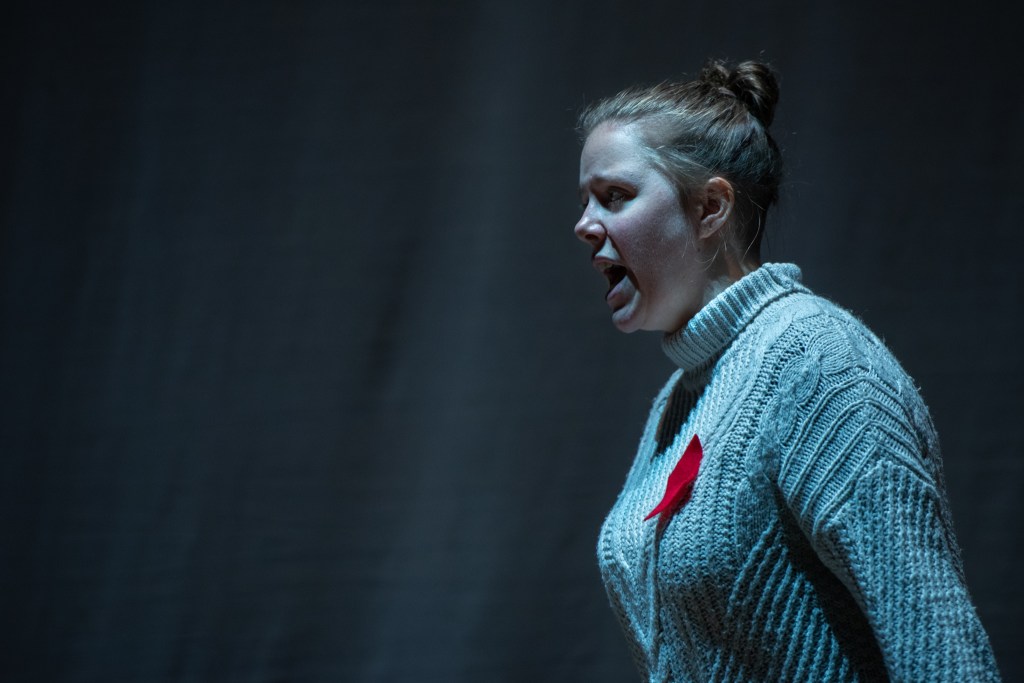
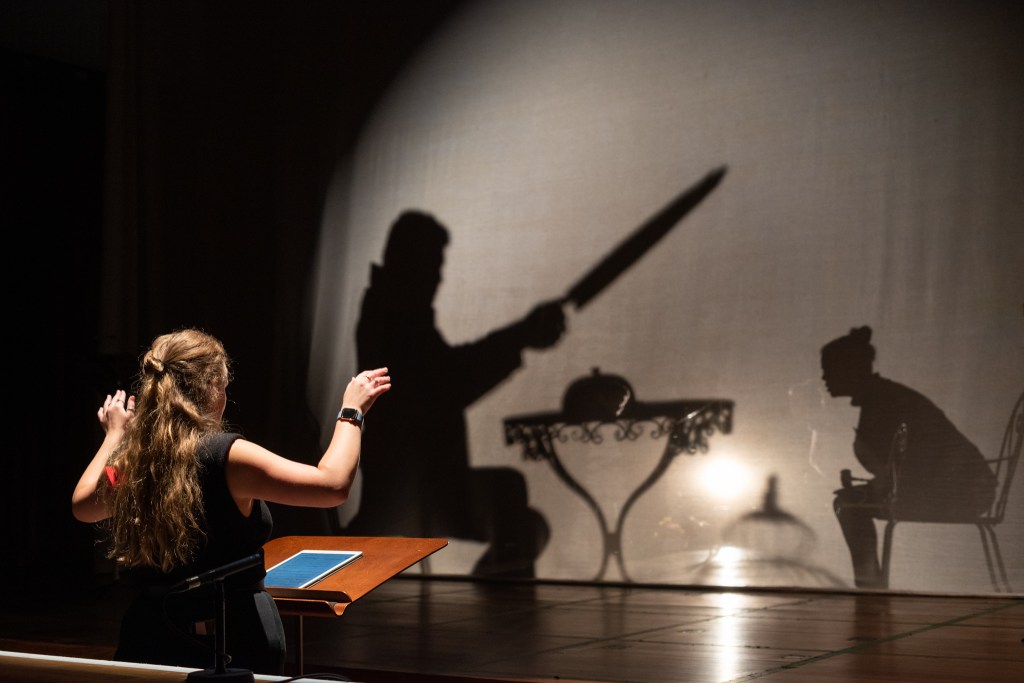
The work is short, under 30 minutes, and displays confidence in not trying to be longer than necessary. The story’s prologue, where Rotten Kid loses all the family’s money gambling, is presented simply as an instrumental introduction with projected cartoon drawings telling the story. This and the later use of shadowplay draw cross-cultural elements into the theatrical presentation, yet in a way which feels imaginative and contemporary, as well as being a neat solution to presenting a new opera economically.
What comes across is the feeling of an operatic talent springing fully formed. It may be a work-in-progress but you feel that not much work is needed to ‘finish’ the opera and I certainly look forward to further productions and to further operas from Erchao Gu.’
Robert Hugill
Photos: Ábel M.G.E.
 Clare Best